


 English - EN
  繁體 - ZH-TW
  简体 - ZH-CN
  Español - ES
  日本語 - JA
  العربية - AR
  Русский - RU
  Français - FR
LATEST UPDATE Подписывайся

Why a $1 O-Ring is the Guardian of Your Million-Dollar Machinery
In the complex architecture of industrial machinery, the O-ring is often the smallest component, yet it carries a disproportionate amount of responsibility. This simple elastomeric loop is the primary defense against fluid loss, pressure drops, and environmental contamination. However, because O-rings are often viewed as "simple" consumables, many businesses overlook the sophisticated material science required to keep a production line running smoothly.

The 2026 U.S.-Taiwan Trade Deal: Why 15% is the Magic Number for Machinery Buyers
In the wake of the historic trade agreement signed on January 15, 2026, the "clouds of uncertainty" over Taiwanese exports have finally begun to clear. For U.S. buyers of plastics and rubber machinery, this MOU (Memorandum of Understanding) isn't just a political milestone—it is a vital tool for supply chain stability. Taiwan is now one step ahead of other countries in clearing the clouds of an unstable trade war.
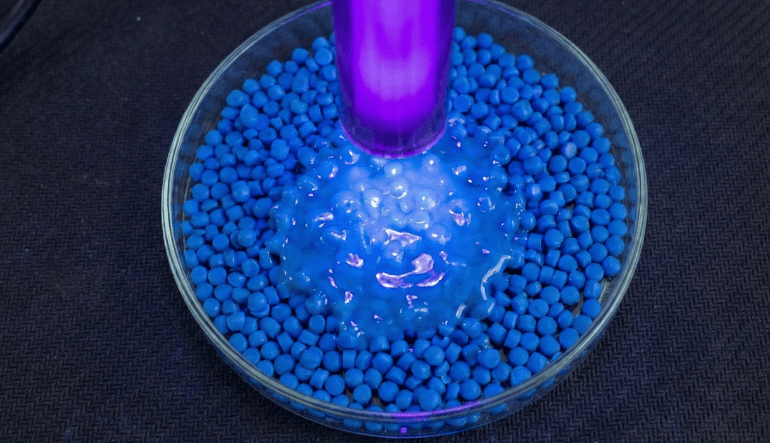
Наука «самоуничтожения»: Почему новый пластик от Rutgers может изменить правила игры
В индустрии пластмасс мы привыкли к циклу ажиотажа и разочарований. Мы постоянно слышим о «зеленых решениях», однако глобальная кривая пластикового загрязнения редко идет на спад. Большинство «биоразлагаемых» вариантов на рынке, таких как полимолочная кислота (PLA), лучше традиционных нефтяных пластиков, но у них есть существенные оговорки. Во-первых, они пассивны; для разложения им требуются особые условия окружающей среды — высокая температура, влажность и микробы.
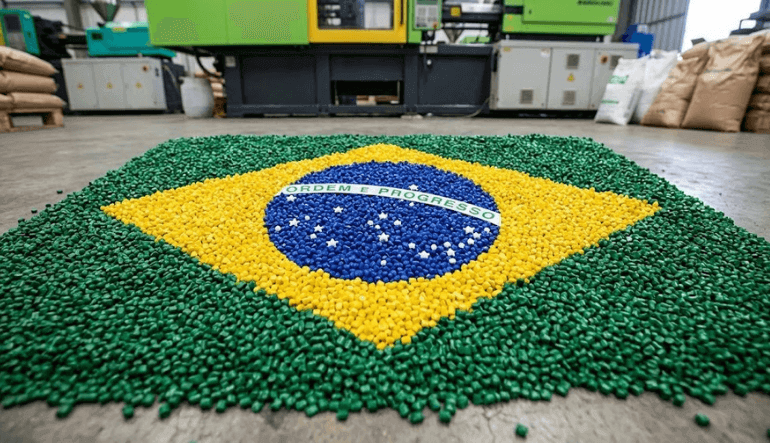
Brazil’s 43% Tariff Shock: Why Brazil’s Polymer Tariffs and U.S. Growth Trends Matter for Asian Machine Manufacturers
In the shifting landscape of the global plastics industry, two opposing forces are currently at play: the promise of market recovery in major economies and the rising walls of trade protectionism.

2026 Outlook: Real Hope or Just Politics? The "Winter Package" & The End of Greenwashing
If you own a recycling plant, 2025 has likely been a brutal year. Across Europe and North America, the industry witnessed a wave of plant closures, bankruptcies, and stalled projects. The culprit wasn't a lack of desire for green products—it was a broken market flooded with cheap, "fake" green materials and undercut by plummeting virgin plastic prices.
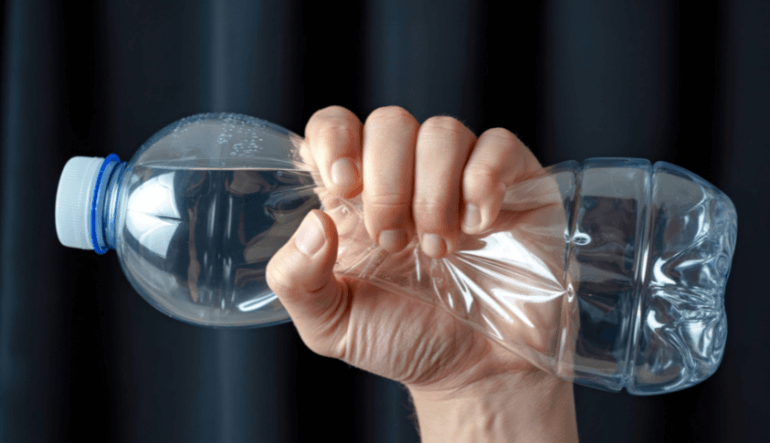
From Plastic Waste to Life-Saving Cure? The Chemical Breakthrough Changing Everything!
Picture this: The water bottle you just tossed into the recycling bin could one day become part of the cure for a life-threatening illness. Sounds like a random AI-generated headline designed to clickbait you? Think again!
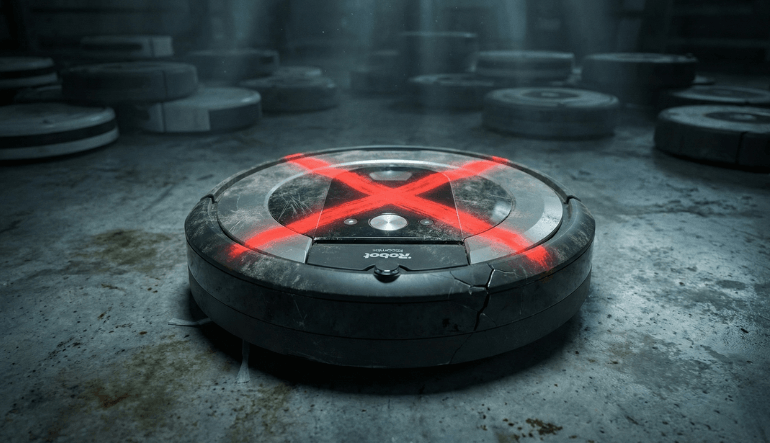
The "Disposable Machinery" Trap: What Manufacturing Leaders Can Learn from the Fall of iRobot
In an era of cheap replicas, why "Good Enough" is the most expensive mistake your production line can make.

Supply Chain Insight: As Thailand Floods Rock the Rubber Market, Smart Manufacturers Turn to Hybrid Strategies
(Thailand) — The global rubber supply chain is bracing for impact. Severe flooding in southern Thailand in late November—the heart of global natural rubber production—has damaged tens of thousands of hectares of plantations.
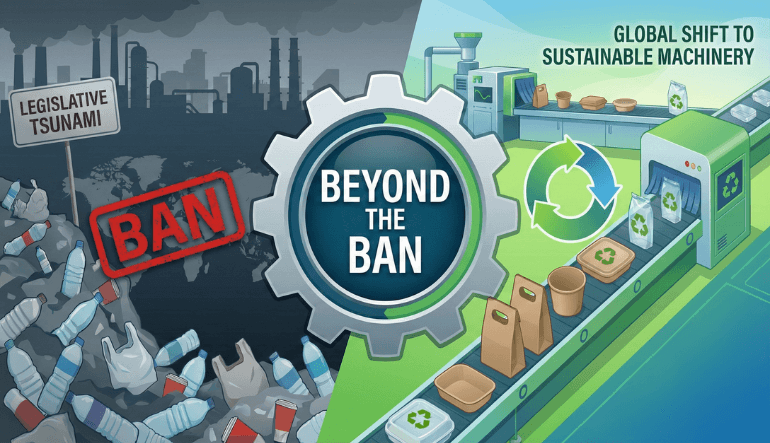
Beyond the Ban: How Global Regulations and Brand Shifts Are Redefining Packaging Machinery
"Business as Usual" is Over. For plastic machinery buyers and packaging manufacturers, the signal is louder than ever: Sustainability is no longer an option—it is the prerequisite for survival.
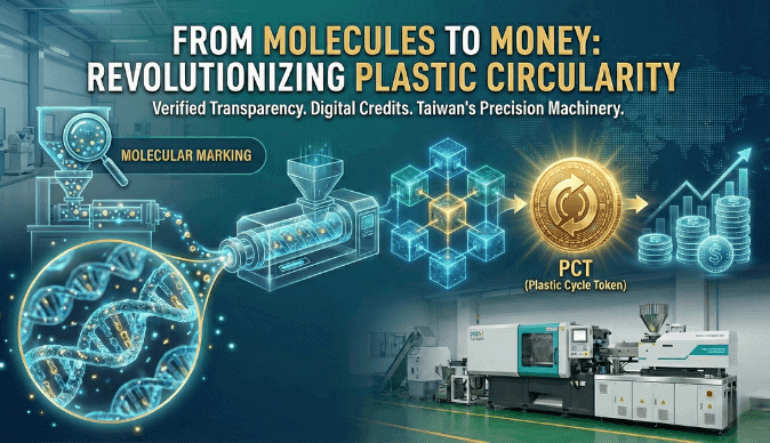
From Molecules to Money: How Molecular Marking Turns Plastic Waste into Digital Gold
In the global push for sustainability, one question haunts every purchase manager and brand owner: "Is this really recycled material, or is it just greenwashing?" As regulations in Europe and Singapore tighten, the industry is moving beyond simple claims. The future belongs to verified transparency. Today, we explore a groundbreaking shift where chemistry meets blockchain—transforming waste into tradable digital assets.
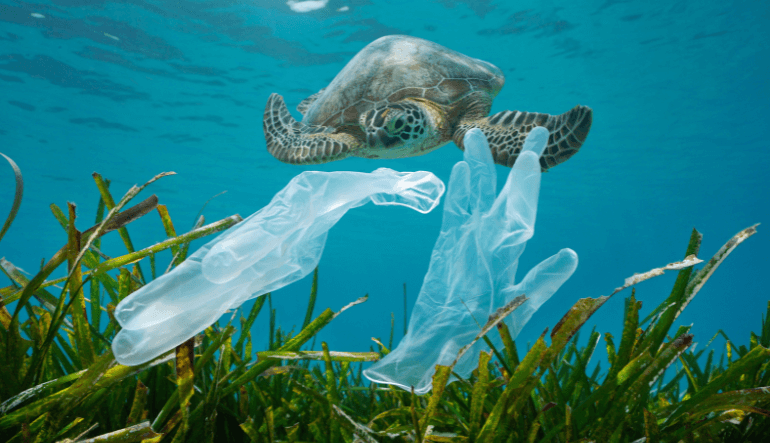
The Lethal Dose: Why a Single Piece of Plastic is Changing the Ocean’s Future—and Our Industrial Destiny
New research reveals that for marine life, the margin for error is zero. As the architects of the polymer age, how does the plastics industry rewrite this narrative?

Blow Molding Defects in HDPE Blow Molding: Top 6 Troubleshooting Guide
HDPE blow molding is a manufacturing process used to create hollow plastic parts by inflating a heated plastic tube (parison) until it fills a mold cavity. While efficient for mass production, manufacturers frequently encounter specific defects in blow molding products. This guide provides a structured analysis of the top 6 blow molding defects, identifying their root causes and actionable technical solutions to optimize production OEE.