

 English - EN
  繁體 - ZH-TW
  简体 - ZH-CN
  Español - ES
  日本語 - JA
  العربية - AR
  Русский - RU
  Français - FR
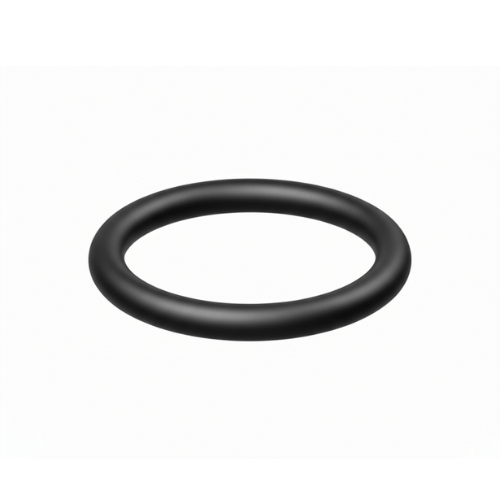
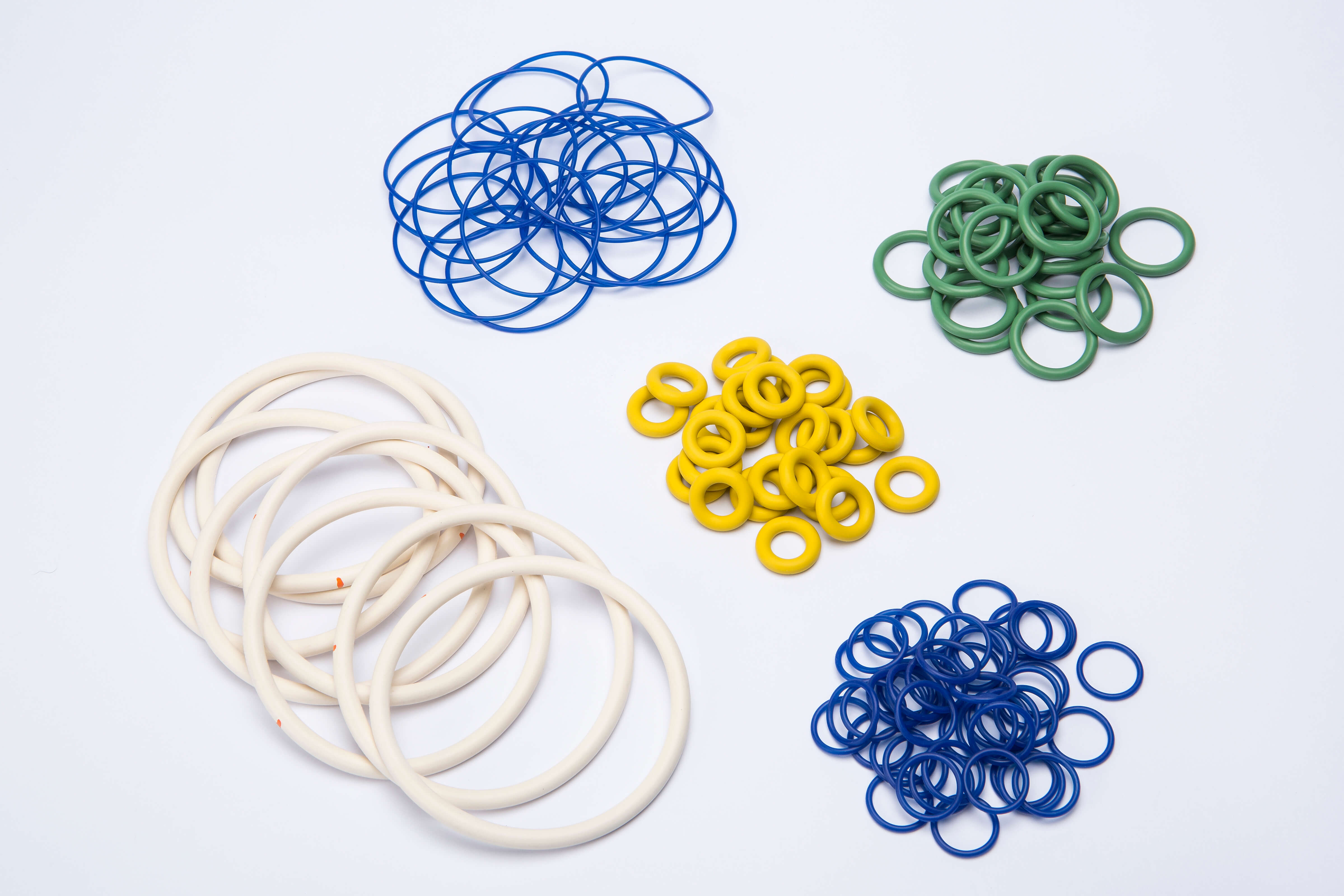
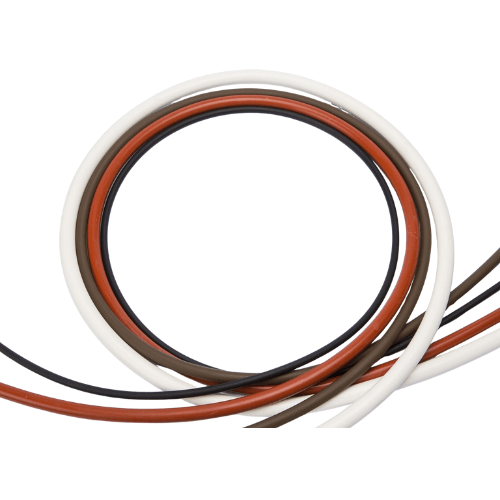
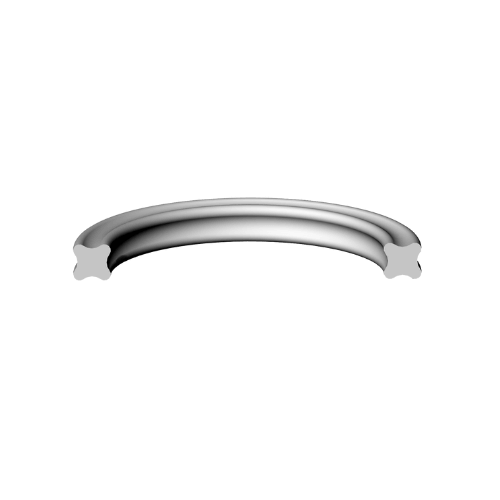
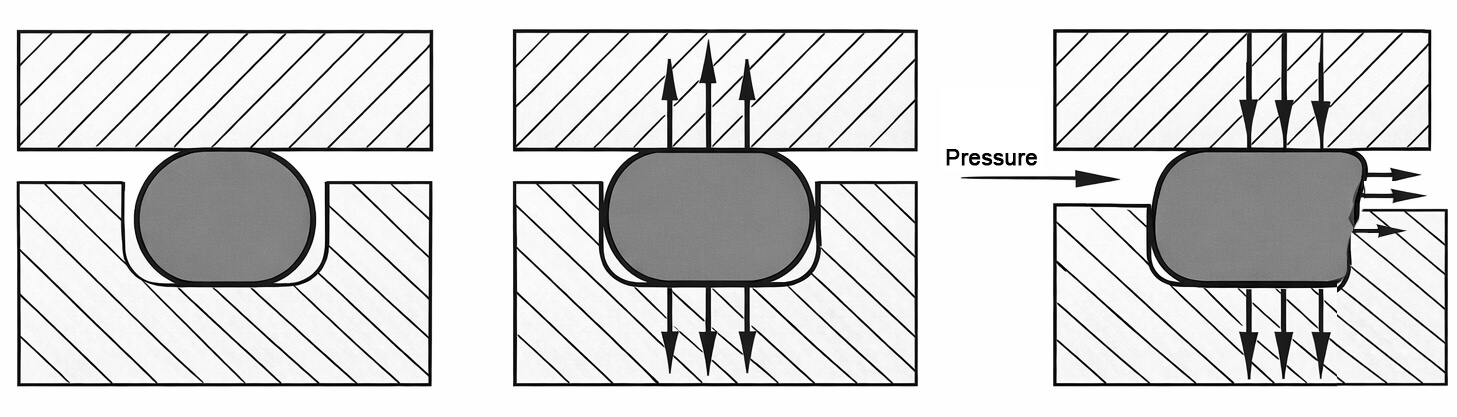
O-rings, featuring a circular cross-section design, are among the most commonly used sealing elements for both dynamic and static applications. With a simple structure and stable performance, O-rings are widely applied in industrial equipment to effectively prevent liquid and gas leakage.
Key Characteristics of O-Rings
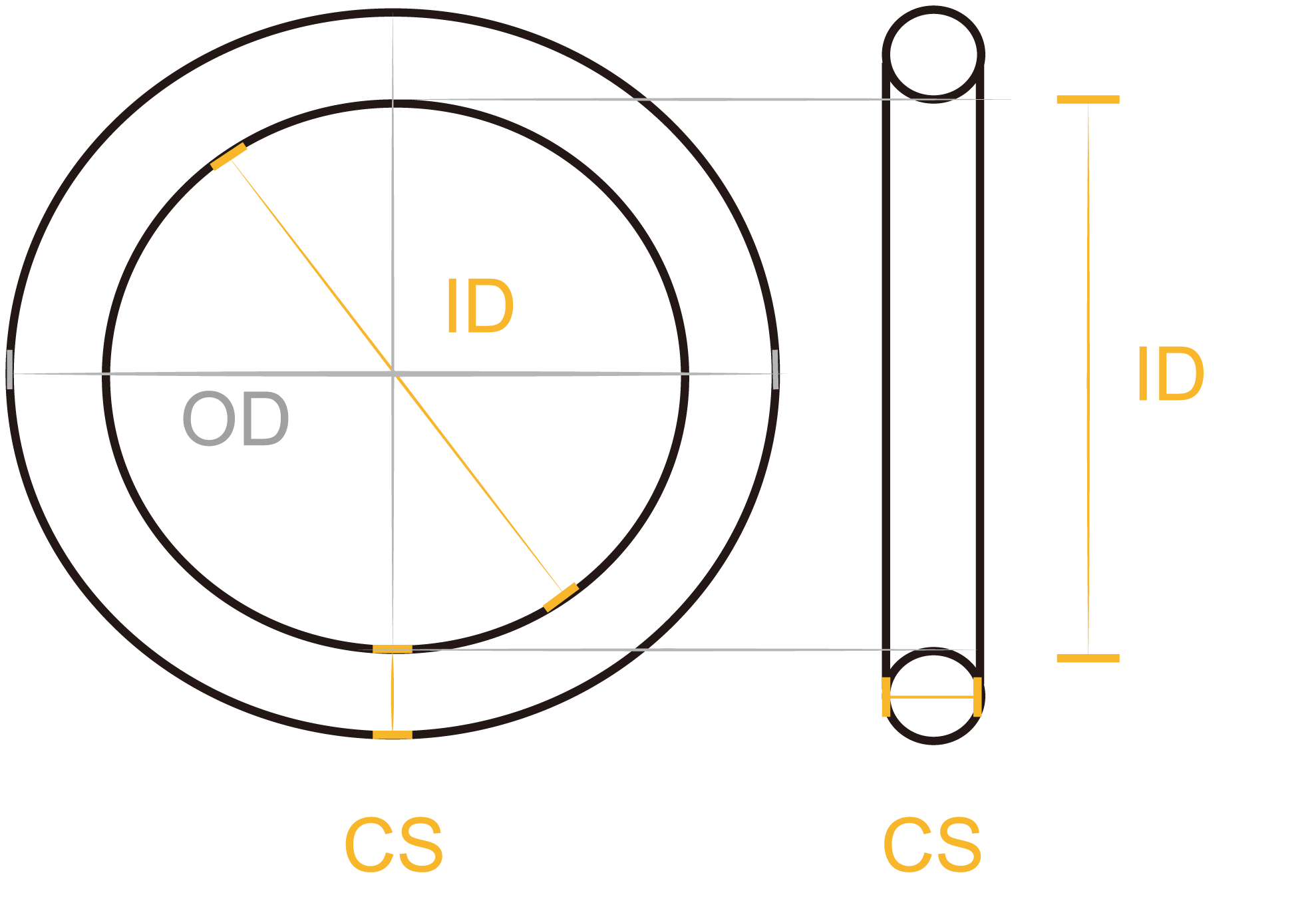
- Size Standards:
Defined by international standards such as AS568, JIS, and METRIC. - Tolerance Control:
Strict precision ensures no sealing failure or leakage risks. - Material Properties:
Elastomeric polymers with excellent elastic memory for shape recovery.
Why Choose O-Rings?
High/low pressure and temperature resistance.
No sealants or precise torque control required.
Compact and lightweight design for any system.
About Best Ring Industrial Co.
Best Ring is a professional manufacturer specializing in high-quality O-rings and sealing solutions. Our products serve industries such as automotive, aerospace, and general machinery.
We engineer O-rings to withstand extreme environments, using rigorous testing and strict quality control to ensure consistency and extend equipment service life. Whether standard or customized, Best Ring is your trusted partner.
O-Rings are manufactured according to various international and regional size standards. AS-568, METRIC, and JIS B2401 are the core pillars of industrial sealing applications.
Commonly Used Size Specifications
| Size Standard | Description | Link |
|---|---|---|
| AS-568 (US Standard) | The most widely used standard globally using inch units. Ideal for hydraulic and pneumatic systems in industrial machinery. | View Sizes |
| METRIC (ISO/DIN) | Compliant with ISO 3601 and DIN 3771. The standard for European automation and global standardized designs. | View Sizes |
| JIS B2401 (Japan) | Divided into P, G, S, V series. Predominant in Japanese precision machinery and electronics industries. | View Sizes |
Specialized & Regional Standards
| Size Standard | Description | Link |
|---|---|---|
| JASO F404 (Automotive) | Established by the Japanese Automotive Standards Organization. Critical for engines and transmissions. | JASO List |
| BS 4518 (British) | British Standard for metric sizes, featuring specific cross-sections used in legacy UK equipment. | BS List |
| GB/T 3452.1 (China) | Aligned with ISO 3601. The national standard for O-rings within the Chinese domestic equipment market. | GB List |
Common Elastomer Materials Overview
| Material | Technical Characteristics | Recommended For | Not Recommended | Typical Applications |
|---|---|---|---|---|
| NBR Nitrile Rubber | Oil-resistant. High ACN improves tensile/abrasion but reduces low-temp flex. | ✔ Petroleum oils, Water (≤100°C), Weak acids/alkalis. | ✘ Aromatic fuels, Ozone, Polar solvents. | 70 Shore A: Mineral oils (-30 to 110°C) 90 Shore A: High-pressure oil (-50 to 120°C) |
| EPDM Ethylene Propylene | Superior ozone, weathering & chemical resistance. Excellent insulation. | ✔ Brake fluids, diluted acids, steam (≤204°C). | ✘ Petroleum oils, Aliphatic hydrocarbons. | 70 Shore A: Water, Air, Alcohols (-50 to 150°C) |
| FKM Fluoroelastomer | Outstanding heat resistance & low gas permeability. Great ozone resistance. | ✔ Chlorinated hydrocarbons, High vacuum, Petroleum oils. | ✘ Hot steam, Amines, Brake fluids. | 75 Shore A: Aerospace, Automotive high-heat seals (-30 to 275°C) |
| PU Polyurethane | Exceptional mechanical strength & abrasion resistance. Handles high pressure. | ✔ Mineral/Silicone oils, Oxygen, Water (≤50°C). | ✘ Solvents, Superheated steam, Strong acids. | 70-95 Shore A: Hydraulic cylinders, high-wear seals (-50 to 100°C) |
| HNBR Hydrogenated NBR | Enhanced NBR with superior tensile strength and oxidation resistance. | ✔ High-temp oil seals, Refrigerants, Engine parts. | ✘ Strong alkalis, Esters, Ketones. | 60-90 Shore A: Fuel and oil system seals (-40 to 140°C) |
| VMQ Silicone | Excellent UV/ozone resistance. Wide temperature range, non-toxic, and outstanding elasticity. | ✔ Engine/transmission oil, Ozone, Dry heat, Silicone grease. | ✘ Petroleum fuels, Ketones, Concentrated acids, Steam. | 70 Shore A: High-temp sealing, medical (-70 to 300°C) |
| CR Chloroprene | Good balance of properties. Flame retardant; resistant to vegetable/animal oils. | ✔ Weathering, Ozone, Compressed air, Water. | ✘ Strong acids, Esters, Ethers, Aromatic solvents. | 40-50 Shore A: Flame-resistant seals, hoses (-40 to 100°C) |
| AEM Ethylene Acrylic | Balanced heat and oil resistance with good elasticity. | ✔ Automotive air intake, Transmission seals, Hoses. | ✘ Strong acids/alkalis, Aromatic fuels, Ketones. | Engine and transmission sealing up to 150°C. |
| ACM Acrylic Rubber | Excellent high-temp oil resistance; poor hot water/low-temp performance. | ✔ Automatic transmission fluids (ATF), High-temp oils. | ✘ Water, Acids, Alkalis, Fuels, Aromatic chemicals. | 50-70 Shore A: ATF and transmission seals (-35 to 150°C) |
| NR Natural Rubber | Excellent elasticity and tear strength. Poor ozone resistance. | ✔ Dynamic seals, Vibration dampers, Mining gear. | ✘ Oils, Fuels, Ozone, UV exposure. | 40-90 Shore A: Anti-vibration pads (-40 to 100°C) |
| SBR Styrene Butadiene | Improved heat aging over NR; good water resistance but poor oil resistance. | ✔ General seals, Hoses, Gaskets, Tires. | ✘ Oils, Fuels, Oxidizing agents, Outdoor use. | 40-90 Shore A: Shock absorbers, rubber strips (-40 to 100°C) |
| XNBR Carboxylated NBR | Modified NBR with very high abrasion and tear resistance. | ✔ High-wear seals, Industrial oil seals, Hydraulic. | ✘ Aromatic solvents, Strong oxidizers, Ketones. | Wear-resistant O-Rings and heavy-duty seals. |
| IIR Butyl Rubber | Extremely low gas permeability. Excellent chemical resistance. | ✔ Vacuum systems, Gas seals, Acidic environments. | ✘ Petroleum oils, Aromatic solvents, Brake fluids. | 50-80 Shore A: Vacuum O-Rings, Medical (-50 to 120°C) |
O-Ring Seals FAQ
Expert Guidance on Selection, Installation & Failure Prevention
Q1: What is an O-Ring and how does it create a seal?
Q2: How do I choose the right material?
(-50°C to +120°C)
(-30°C to +275°C)
(-50°C to +150°C)
(-70°C to +300°C)
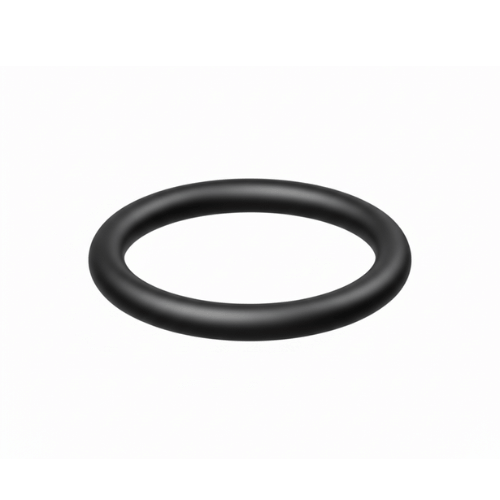
Q3: What causes "Extrusion and Nibbling"?
This occurs when excessive pressure forces the O-Ring into the clearance gap.
Prevention methods:Q4: What is "Compression Set"?
It is the permanent deformation of an O-Ring after long-term compression. Choosing a material with a low compression set is vital for maintaining the "spring-back" required for sealing.
Q5: Can I reuse an O-Ring?
NO. Once disassembled, an O-Ring has already undergone physical flattening. Reusing it significantly increases the risk of immediate leakage. Always replace with a new seal during maintenance.
Q6: What are the standard O-Ring sizing systems?
We supply O-Rings complying with all major international standards to ensure perfect fitment: