

 English - EN
  繁體 - ZH-TW
  简体 - ZH-CN
  Español - ES
  日本語 - JA
  العربية - AR
  Русский - RU
  Français - FR
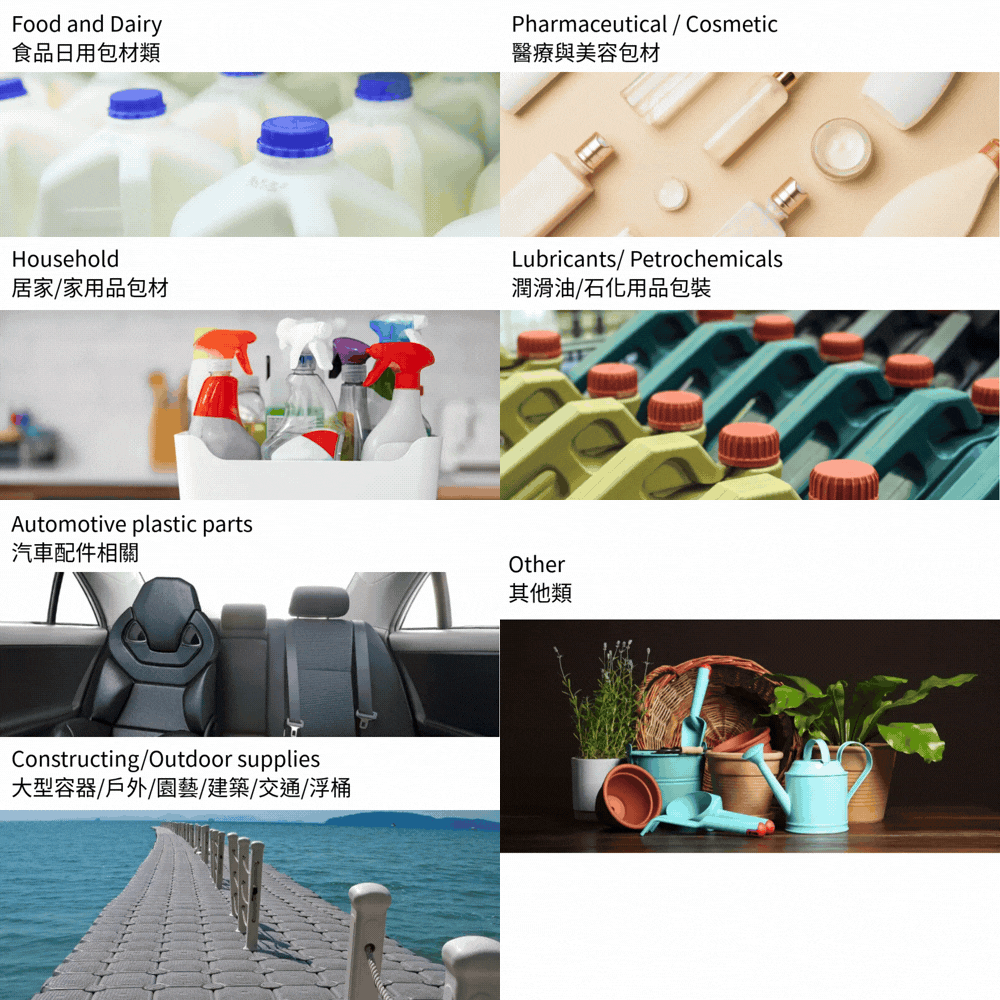

Plastic products play a vital role in the food and dairy industry, offering safe, hygienic, and convenient packaging solutions that help preserve product quality and extend shelf life. These items are commonly manufactured from food-grade materials such as polypropylene (PP), high-density polyethylene (HDPE), low-density polyethylene (LDPE),and polyethylene terephthalate (PET)—all of which are non-toxic, odorless, and resistant to moisture and contaminants.
Plastic packaging is widely used across various applications, including milk bottles, yogurt bottles, food/drink containers, sealed food storage solutions, cosmetic bottles, ice lolly, standard water bottles, and larger formats like 20L polycarbonate (PC) water bottles. These products not only ensure product safety and freshness but also provide practicality and efficiency in handling, transport, and display.


Manufactured using high-quality, non-toxic materials such as polypropylene (PP), polyethylene (PE/HDPE), and polyvinyl chloride (PVC), these plastic products are lightweight, easy to clean, and highly resistant to wear and tear.
Found in nearly every room of the home, our versatile plastic line ranges from everyday food storage containers to heavy-duty bottles designed for household cleaners, laundry detergents, and chemical agents. Built with sustainability in mind, many of these products are fully recyclable after use.
Applications: Suitable for both household and industrial use.


Plastic products are a cornerstone of the pharmaceutical and cosmetic industries, offering safe, reliable, and versatile packaging solutions that meet both functional and aesthetic needs. Designed to protect product integrity while ensuring user convenience, plastic packaging plays a vital role in maintaining hygiene, dosage accuracy, and brand appeal.


Lubricant and petrochemical bottles are specifically engineered to meet the demanding requirements of the automotive, industrial, and energy sectors. These bottles are designed not only to store and dispense fluids efficiently but also to withstand the harsh chemical properties of oils, fuels, and other petrochemical substances.
Manufactured using high-strength materials like high-density polyethylene (HDPE) and polypropylene (PP), these containers offer excellent chemical resistance, impact durability, and environmental safety. They are available in a range of sizes and ergonomic designs to ensure ease of handling, pouring precision, and compatibility with automated filling systems.
In addition to functionality, modern lubricant packaging solutions are increasingly focusing on sustainability, incorporating recyclable materials and lightweight designs to reduce environmental impact.


Automotive plastic parts are a vital component of modern vehicle design, offering a perfect balance of strength, durability, lightweight performance, and design flexibility. As the automotive industry continues to innovate towards improved fuel efficiency, sustainability, and enhanced aesthetics, plastics have become an increasingly preferred material in both interior and exterior vehicle components.
Engineered plastics such as polypropylene (PP), acrylonitrile butadiene styrene (ABS), polycarbonate (PC), and nylon (PA) are widely used in manufacturing a variety of parts including dashboards, bumpers, door panels, trims, grilles, under-hood components, and fluid reservoirs. These materials offer excellent resistance to heat, chemicals, and impact while enabling complex shapes and finishes that enhance vehicle appearance and functionality.
In addition to performance benefits, plastic components contribute to weight reduction, which improves fuel efficiency and lowers emissions. With advancements in recycling and bioplastics, the automotive sector is also moving towards more sustainable production practices.


Plastic materials have revolutionized the construction and outdoor industries, offering practical, durable, and cost-effective alternatives to traditional materials. From infrastructure and building components to outdoor furniture and landscaping solutions,plastic products are valued for their strength, weather resistance, and design versatility.
In the construction sector and for outdoor use, plastic materials such as polyethylene (PE), polypropylene (PP), and PVC are commonly used to manufacture items like transportation construction, glare screen, garden furniture, storage containers, decking, fencing, solar energy floating, and water tanks. These products are designed to withstand exposure to sunlight, moisture, and temperature extremes while maintaining their appearance and functionality over time.


Manufactured using child-safe materials such as polypropylene (PP), polyethylene (PE), and ABS, plastic toys are designed to meet strict safety and quality standards. These materials allow for a wide range of shapes, textures, and interactive features—perfect for educational toys, action figures, building blocks, ride-ons, and more.
From household items and storage containers to industrial components and custom-molded parts, plastic products are valued for their lightweight nature, resistance to corrosion, and ease of manufacturing. Common materials such as polyethylene (PE), polypropylene (PP), polyvinyl chloride (PVC), and ABS allow for excellent performance in diverse environments, including indoor, outdoor, chemical, and mechanical settings.


сопутствующие товары
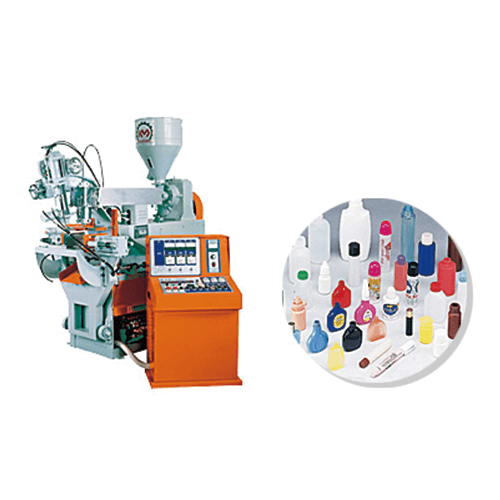
Полуавтоматическая машина для выдувного формования
Серия PBA
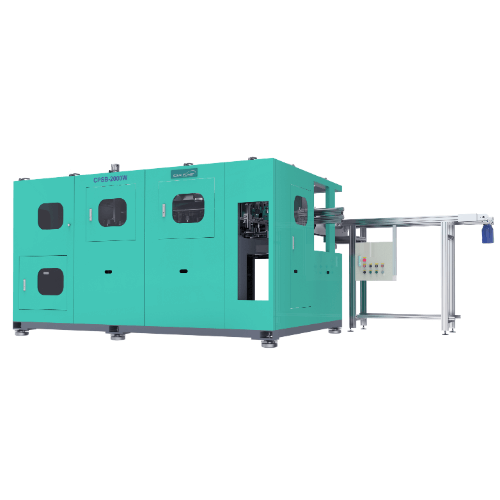
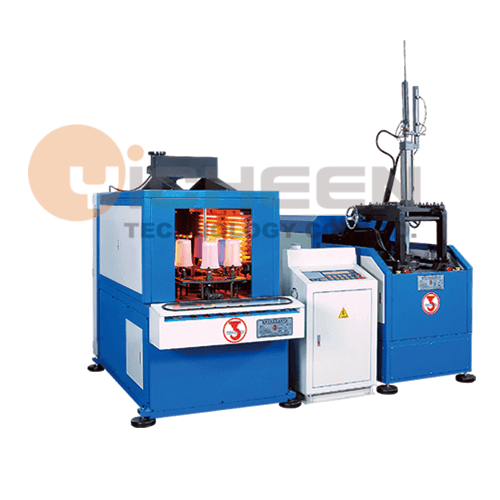
ПЭТ-стретч-формовочная машина-W / L-серия
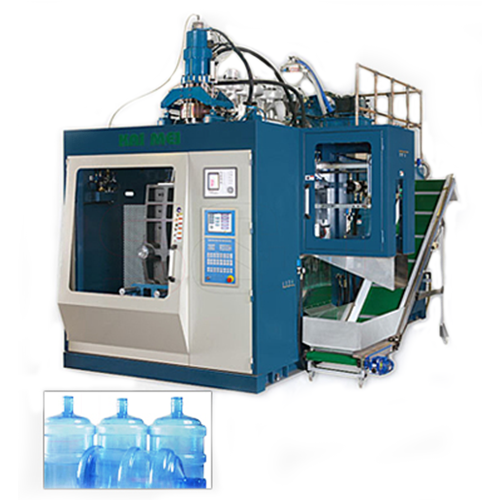
Выдувная машина PBS 905PC SERIERS
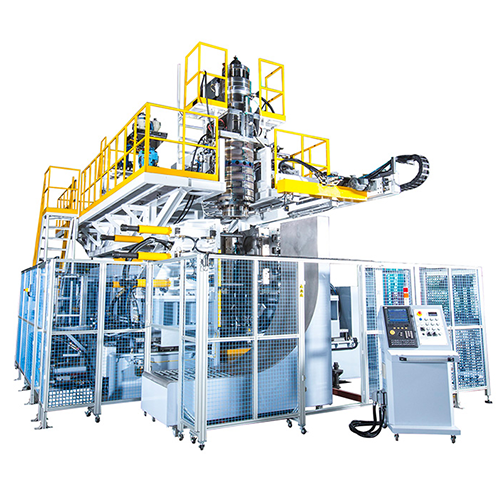
Выдувные машины с аккумуляторной головкой - поплавок объемом 40 литров
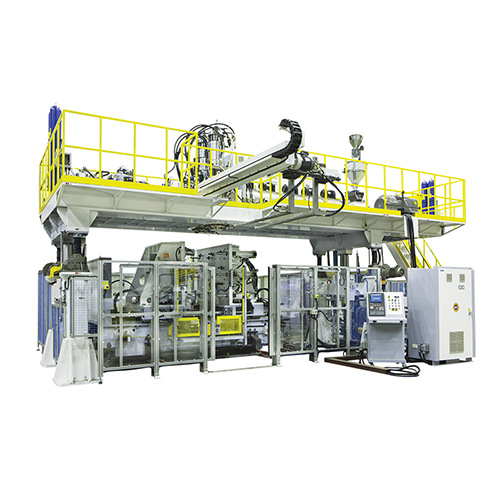
Выдувные машины с двойной головкой
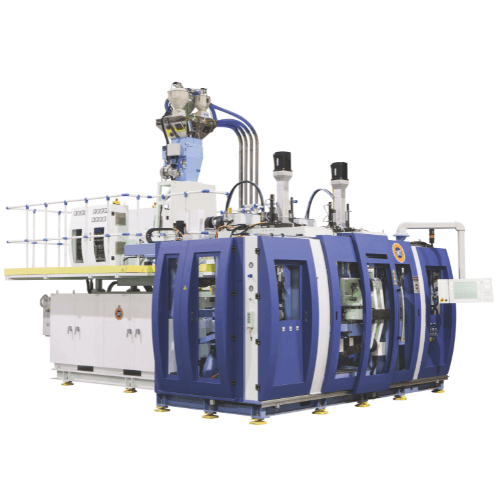
Машина непрерывного экструзионного выдувного формования серии HBA
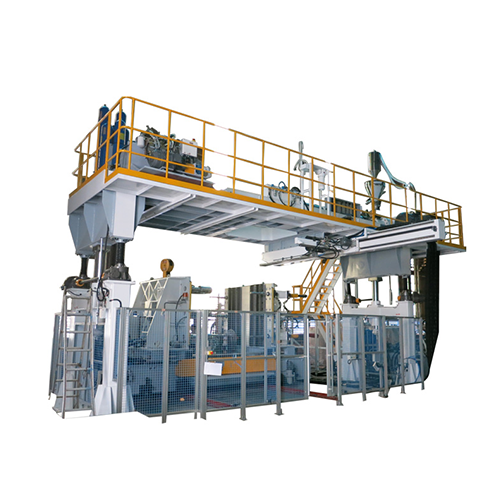
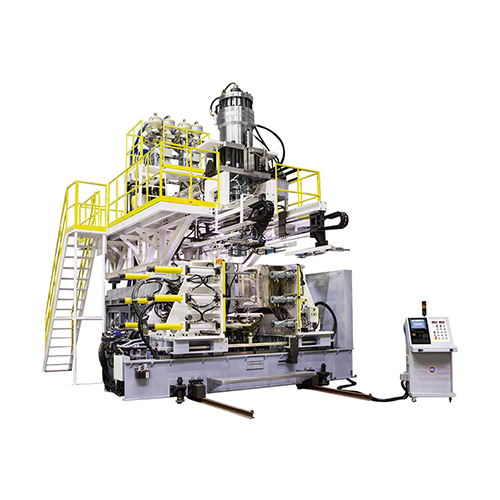
Выдувные машины с аккумуляторной головкой - топливный бак 400L-600L