English - EN
 繁體 - ZH-TW
 简体 - ZH-CN
 Español - ES
 日本語 - JA
 العربية - AR
 Русский - RU
 Français - FR



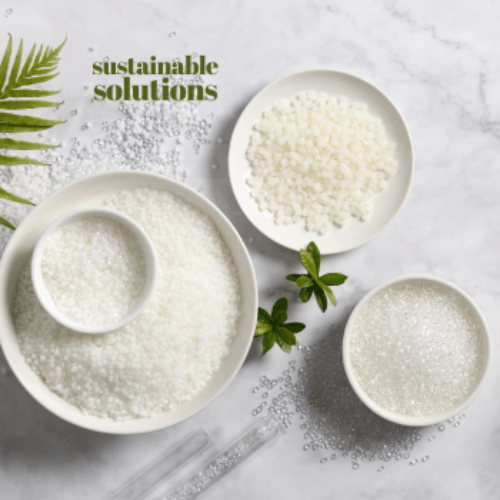
Bio-based TPU
КАТЕГОРИИ : PLA
TPU is made from non-food crops, such as straw, grass, bagasse, rice husk, wood chips and other waste materials, through refining, fermentation and synthesis processes using biological, chemical and physical methods. It is environmentally friendly, recyclable and biodegradable. High bio-based content material with environmental benefits can take step toward sustainability.
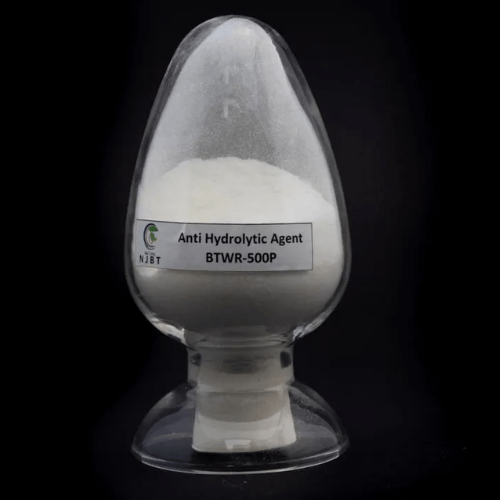
Anti-hydrolysis agent
КАТЕГОРИИ : Добавки
BTCE-9013 is a polymeric epoxy functionalized chain extender. The epoxy functional groups in its structure can react with the terminal carboxyl, hydroxyl, and amino groups in long-chain resin molecules to extend the polymer chain, thereby improving the resin's mechanical properties, intrinsic viscosity, and inhibiting polymer hydrolysis. It can be used in food contact materials. BTCE-9013 is generally co-extruded with modified resins using twin-screw or single-screw extruders. The recommended dosage for bio-based and biodegradable plastics such as polybutylene adipate/terephthalate (PBAT), polylactic acid (PLA), polybutylene succinate (PBS), polymethyl ethylene carbonate (PPC), and polyhydroxyalkanoates (PHAs) is 0.2-0.8 phr. The recommended dosage for condensation-based recycled plastics such as polyamide (PA), polybutylene terephthalate (PBT), polycarbonate (PC), and polyethylene terephthalate (PET) is 0.2-1.5 phr. The specific dosage depends on the number of active functional groups in the resin and the performance requirements of the product.