


 English - EN
  繁體 - ZH-TW
  简体 - ZH-CN
  Español - ES
  日本語 - JA
  العربية - AR
  Русский - RU
  Français - FR
Global Resin and Rubber Crisis 2026: Navigating the Double Squeeze of Iran War and Regulations

An Islamic Revolutionary Guard Corps (IRGC) speed boat sailing along the Persian Gulf near a cargo vessel. Nurphoto | Nurphoto | Getty Images
The global plastics and rubber industry has entered a period of profound volatility. What began as a series of isolated supply chain hiccups has coalesced into a systemic "Double Squeeze": a simultaneous surge in raw material costs driven by geopolitical instability and a structural shift in supply caused by aggressive environmental mandates.
As of late March 2026, oil prices are not at an absolute all-time high in nominal terms, but are trading at intense, elevated levels above $100 a barrel following disruption in the Middle East, while some specific Asian benchmarks have hit records, reaching all-time highs above $150 per barrel.
For global buyers and manufacturers, navigating 2026 requires more than just procurement—it requires strategic resilience.
The Geopolitical Flashpoint: The "Resin Strait" Crisis
The most immediate shock to the market stems from the Middle East. Recent escalations in the Strait of Hormuz—the world’s most sensitive chokepoint for petrochemical precursors—have sent ripples through the polymer markets.
According to Plastics Today, shipping risks in the region have caused a dramatic spike in the cost of ethylene and propylene. Every major polymer, from PE to PP, is facing upward price pressure. For processing plants reliant on imported virgin resins, this "Resin Strait" crisis means that logistics surcharges and insurance premiums are now permanent line items in the budget.
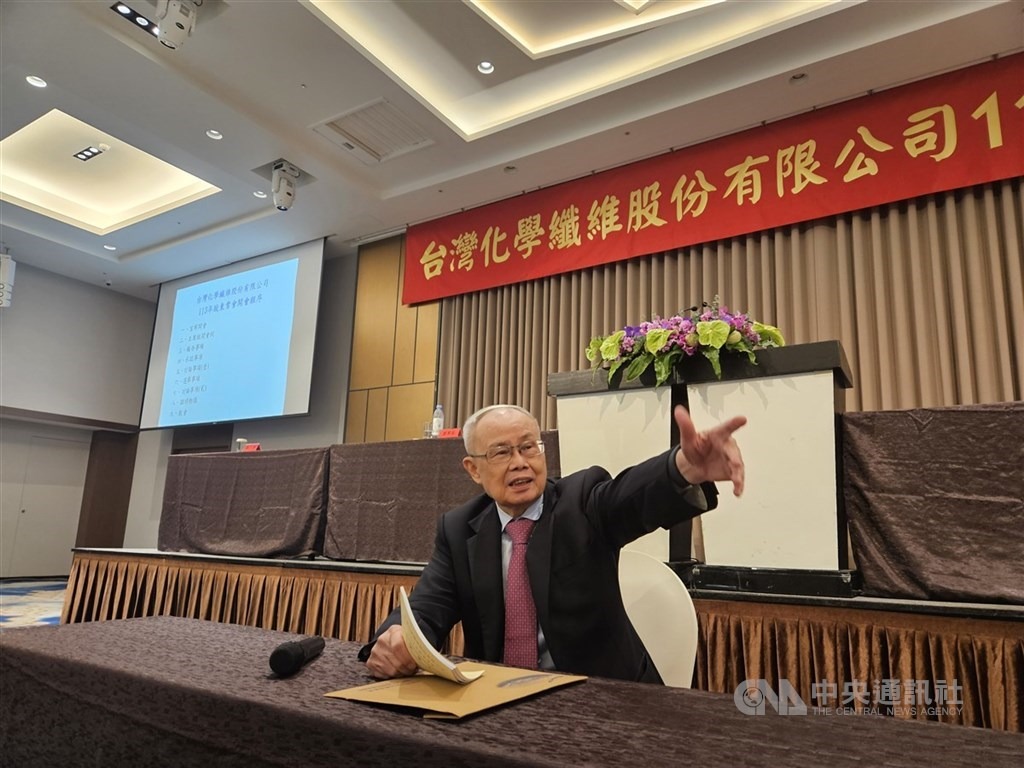
The photo shows Formosa Chemicals & Fibre Chairman Hung Fu-yuan. (CNA file photo)
The reality of this crisis was cemented on March 24, when Formosa Chemicals & Fibre Corporation made a force majeure announcement, stating that due to the crisis in the Middle East, they will be unable to provide some plastic resins normally starting from April. The affected raw materials include styrene, phenol, PTA, and other essential polymer precursors.
Ironically, virgin resins were cheaper than recycled resins in late 2025, which was a major blow to the recycling market and contributed partially to the EU’s stricter regulation on plastic resins in the Winter Package.
PRM Insight:
The risk of localized conflict translates directly into global price hikes. Buyers are no longer just looking for the best price; they are looking for the most "secure" route.
The Natural Rubber Shortage: La Niña meets EUDR
While the synthetic side deals with oil volatility, the natural rubber sector is facing a "structural squeeze." We believe two factors are paralyzing the supply of natural rubber:
1. Climate Instability: The La Niña phenomenon since late 2025 has brought unseasonal, heavy rainfall to Southeast Asia, continuously disrupting harvesting cycles in Thailand and Indonesia.
2. Regulatory Barriers: The EU Deforestation Regulation (EUDR) is now in full swing. Rubber that cannot be traced back to non-deforested land is effectively locked out of the European market.

Heavy flooding in Thailand during November 2025. NationThailand photo.
This has created a two-tiered market: "Compliant Rubber" at a massive premium, and "Non-compliant Rubber" facing limited liquidity. For industries like automotive tires and medical devices, scarcity is a reality.
The Regulatory Hammer: INC-5.3 and the Virgin Plastic Tax
The long-term landscape is being reshaped in Geneva. The UN Environment Programme (UNEP) recently broke a six-month deadlock in the Global Plastics Treaty negotiations (INC-5.3). With the election of Chile’s Julio Cordano as Chair, the focus has returned to a controversial but likely inevitable outcome: global production caps on virgin plastics.
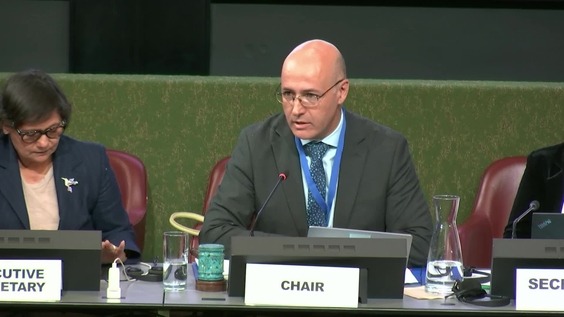
TheINC-5.3 to develop an international legally binding instrument on plastic pollution, 7 February 2026, Geneva, Switzerland. Image by United Nations.
By the end of 2026, we expect a framework that includes "Virgin Material Taxes." This will fundamentally change manufacturing. Companies that fail to integrate chemical recycling or bio-based alternatives now will find themselves priced out of the market by mandatory carbon and plastic credits.
What Does That Mean for the Industry?
On the international stage, the impact of these shortages is uneven. Large-scale converters in Europe and North America are passing costs down to consumers, fueling a wave of green-flation. High-performance sectors, particularly the automotive and aerospace industries, are accelerating their shift toward bio-based synthetic rubber to bypass the natural rubber shortage.
PRM Insight: Meanwhile, East Asia occupies a unique position as a global hub for high-end machinery. “Although Taiwan’s domestic market is small, its role as a technology provider is crucial. We are helping global buyers by providing smarter, more energy-efficient machinery capable of handling varied grades of recycled materials.”
To survive this double squeeze of geography and policy, manufacturers must adopt a new mindset. Moving toward long-term, direct-sourcing contracts is becoming essential because stability is now more valuable than the spot market price.
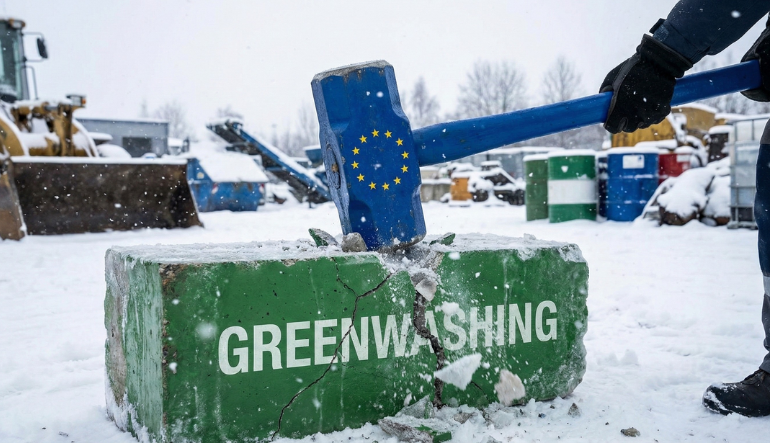
Check out a detailed report on the EU’s Winter Package by PRM: Real Hope or Just Politics? The "Winter Package" & The End of Greenwashing
For the high-end market, ensuring that production lines are compliant with EU requirements is no longer optional, as traceability has become the new benchmark for quality control. Furthermore, investing in machinery that offers multi-material flexibility is the ultimate hedge. Equipment that can switch between virgin, recycled, and bio-based feedstocks seamlessly allows a factory to adapt to whatever the market provides.
The current raw material crisis is a wake-up call for the entire supply chain. The convergence of geography, climate, and policy has created a new normal of high-cost and high-regulation manufacturing. However, where there is friction, there is also opportunity. By leveraging engineering excellence and staying ahead of the regulatory curve, buyers can turn these supply chain shocks into a competitive advantage for a sustainable future. PRM-Taiwan remains committed to being the bridge that helps the industry cross these turbulent waters toward a more resilient and profitable era.
Source:
- UN: Third Part of the Fifth Session (INC-5.3)
- Reuters: Thailand floods could cut rubber output by $140 million, authority says
- European Commission: Deforestation Regulation implementation
- Plastics Today: Plastics Supply Chain Collateral Damage in Iran War
- Plastics Today: Iran War Creates a Dire Strait for Resin Markets
- Fortune: Oil prices hit nearly $110 as Iran vows to escalate the war in ‘new ways’
- The Arab Weekly: Trump’s Iran war oil shield is cracking
- Focus Taiwan: Taiwan faces rising prices as Iran war drives up costs: CRIF
- NOWNEWS: 台化發出不可抗力通知



Кооперативный партнер